Exploring Ol Donyo Sabuk and Kilimambogo: A Scenic Kenya Adventure
- Jul 22
- 8 min read
Updated: 3 days ago
A mountain does not need to be extreme to be memorable. Ol Donyo Sabuk, also known as Kilimambogo, proves that with quiet trails, wide views, forested slopes, and a summit that rewards steady effort rather than technical skill.
Set near Thika and within reach of Nairobi, this is one of Kenya’s most accessible scenic escapes. It suits a day trip, a slow weekend outing, a beginner-friendly hike, or a nature drive with a dose of history. The mountain rises from the surrounding plains with a calm confidence, and on a clear day the view stretches far across central Kenya.
Kilimambogo is often treated as a quick stop, but it deserves more attention. The beauty here is not loud. It sits in the curve of the road, the cool air near the upper slopes, the sudden sight of buffalo in the distance, and the silence that settles near the top.
Video credit: Wandeerly
Where Ol Donyo Sabuk sits in the Kenya travel map
Ol Donyo Sabuk National Park is centred around the mountain itself. The area lies near Thika, with access commonly made through roads from Nairobi, Thika, and surrounding towns in Kiambu, Murang’a, and Machakos counties. Its location makes it practical for people who want nature without committing to a long-distance safari.
The mountain is known by two names. Ol Donyo Sabuk is commonly associated with the Maasai name for a large mountain, while Kilimambogo is widely understood as “buffalo hill” in Kiswahili. Both names fit. The hill has a strong, rounded presence, and buffalo are among the animals linked with the park.
The park is not large compared with Kenya’s famous reserves, but that is part of its charm. It feels compact and manageable. You can arrive in the morning, take the climb slowly, stop for views, enjoy a picnic, and return before evening.
Nearby attractions add to the appeal. Fourteen Falls, on the Athi River, is often visited on the same trip. The wider Thika region also has farms, rivers, roadside food stops, and viewpoints that make the journey feel like more than just a drive to a gate.
The climb to the summit is steady and scenic
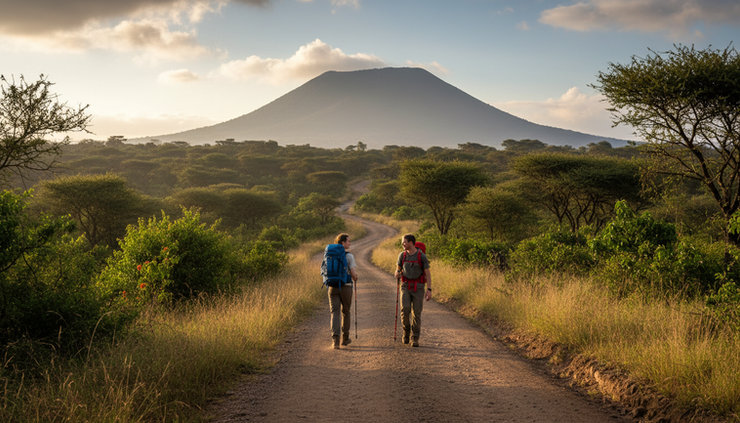
The main reason many people visit Kilimambogo is the climb to the summit. It is not a technical hike. There is no need for ropes or specialist mountaineering gear. That said, it still calls for comfortable shoes, water, patience, and a fair level of fitness.
The route follows a road and track up the mountain, winding through changing vegetation as it gains height. Some people walk the whole way. Others drive part of the route if conditions and park rules allow, then continue on foot. The exact experience can vary with weather, vehicle type, and current access guidance, so it helps to ask at the gate before setting off.
The climb has a steady gradient. It can feel gentle at first, then tiring as the road keeps rising. The best approach is to pace yourself. Walk slowly, take short breaks, and look back often. The views open gradually, which makes the ascent feel rewarding long before the top.
Near the upper sections, the air usually feels cooler. The sounds change too. The lower areas may have more activity from visitors and vehicles, while the higher slopes feel calmer. Birds call from the trees, insects hum in the scrub, and the plains spread out below in soft layers.
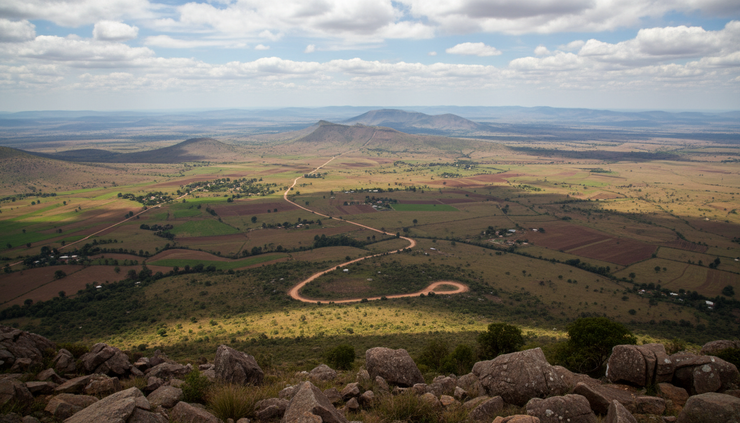
At the summit, the reward is space. On clear days, you can see across large parts of the surrounding countryside. The view may include patches of farmland, river lines, distant hills, and the broad sweep of the plains. Visibility changes with haze, rain, and season, so the mountain never gives the same view twice.
Wildlife adds surprise to the visit
Ol Donyo Sabuk is not a big-cat safari destination, and it should not be judged like the Maasai Mara or Amboseli. Its wildlife experience is quieter and more occasional. That makes each sighting feel personal.
Buffalo are the animals most closely tied to Kilimambogo’s identity. They may be seen in the park, often at a distance or partly hidden by vegetation. They are powerful animals and should always be treated with respect. Keep space, follow ranger guidance, and avoid walking away from marked or advised routes.
Other animals associated with the area include baboons, monkeys, antelope species, bushbuck, and many birds. The birdlife can be especially enjoyable for patient visitors. Even without binoculars, you may notice raptors circling overhead, weavers moving through trees, or smaller birds flashing across the path.
The vegetation also plays a big role in the experience. The lower slopes can feel dry and open, while sections higher up may feel more wooded and cool. After rains, the mountain becomes greener and softer. During drier spells, the colours shift towards gold, brown, and dusty olive.
A good visit here means slowing down enough to notice detail. Look for tracks in soft soil. Listen for movement in the bush. Watch the tree line when the road bends. Kilimambogo rewards attention more than rushing.
History gives the mountain another layer
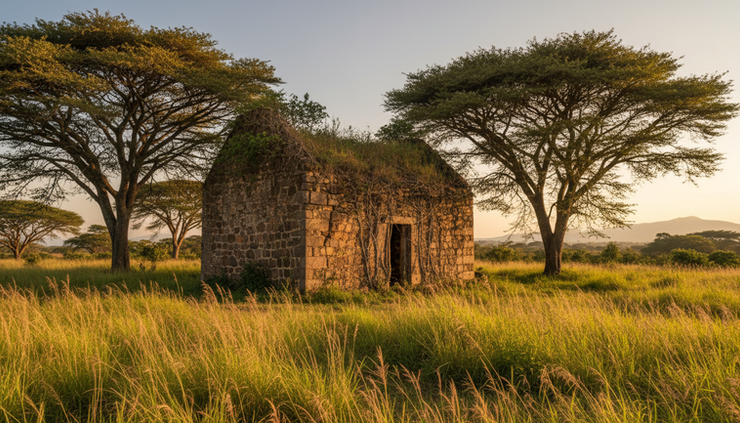
Kilimambogo is not only about scenery. It also carries historical interest, especially around Lord William Northrop Macmillan, a wealthy settler whose name remains connected with the area. His former home and burial site are often mentioned in relation to Ol Donyo Sabuk.
The Macmillan story is part of Kenya’s colonial history, so it should be approached with context rather than simple nostalgia. The buildings and graves linked to that period can be interesting to see, but they also sit within a wider history of land, power, and change. Visiting such places can be a chance to reflect on how landscapes hold different meanings for different communities.
For many local visitors, the mountain is also tied to family outings, school trips, fitness walks, photography sessions, and church or chama excursions. That living use matters. Kilimambogo is not frozen in the past. It continues to be part of how people around central Kenya rest, gather, and explore.
If you enjoy heritage, ask locally or at the park gate about what is currently accessible. Conditions around old properties can change, and some places may require guidance or permission.
How to plan a smooth day trip
A good Kilimambogo trip starts with simple preparation. The mountain is accessible, but small choices can shape the whole day.
Start early
Morning is best for most visits. The air is cooler, visibility is often better, and you have enough time to climb without pressure. An early start from Nairobi or Thika also helps you avoid losing the best part of the day in traffic.
If you plan to combine the park with Fourteen Falls, leave even earlier. Both places deserve time. Rushing through them makes the day feel like a checklist rather than an outing.
Check current park details
Ol Donyo Sabuk is managed as a national park, so entrance rules and fees can change. Before travelling, check the latest Kenya Wildlife Service guidance or ask through official channels. This is especially useful if visiting in a group, bringing a vehicle, or planning a specific activity such as cycling, hiking, or photography.
Carry your identification and be ready to pay using the accepted methods at the time of your visit. Kenya’s park systems may adjust payment options, so do not rely only on old advice from friends or outdated posts.
Wear practical clothing
The hike may look simple, but the road can still be dusty, muddy, hot, or slippery depending on the season. Wear comfortable walking shoes with good grip. Light layers help because the lower sections can be warm while the upper areas feel cooler.
A hat, sunscreen, and sunglasses are useful on exposed stretches. During the rainy season, carry a light rain jacket. Weather around hills can shift quickly, even when the day starts bright.
Pack enough water and snacks
Carry more water than you think you will need, especially if walking to the top. There may not be reliable places to buy supplies once inside the park. A simple packed snack or picnic works well.
Good options include fruit, sandwiches, nuts, mandazi, boiled eggs, or other easy foods that do not create much waste. Carry a small bag for litter and leave the place cleaner than you found it.
Respect wildlife and other visitors
This is a protected area, not a playground. Keep noise low, avoid feeding animals, and do not chase wildlife for photos. If you meet buffalo or any large animal, give it space and follow the safest route advised by rangers.
On the trail, share the road politely. Some visitors walk, others drive, and groups move at different speeds. A little patience keeps the experience pleasant for everyone.
What to pair with a Kilimambogo visit
The most popular nearby stop is Fourteen Falls, a waterfall system on the Athi River. It is a natural pairing because it adds water, sound, and a different kind of scenery to the mountain experience. The falls are especially striking after rains, although water levels and clarity can change by season.
A combined trip can work like this:
Morning plan
Afternoon plan
Enter Ol Donyo Sabuk National Park early, hike or drive towards the summit, and enjoy the views before the day heats up.
Head towards Fourteen Falls, take photos, rest by the river area where allowed, then return before evening traffic builds.
If you prefer an easier day, choose one site and enjoy it slowly. Kilimambogo alone can fill several hours, especially if you like photography, birdwatching, or picnics.
Food stops around Thika and nearby market centres can make the day more relaxed. A simple nyama choma lunch, fresh fruit from roadside sellers, or tea after the hike can turn the outing into a proper Kenyan day trip.
The best time to visit Kilimambogo
Kilimambogo can be visited at different times of year, but the mood changes with the seasons.
After rains, the mountain looks fresh and green. The vegetation is richer, the air may be clearer, and the views can be beautiful when clouds lift. The trade-off is that some tracks may become muddy or slippery.
During drier months, walking can be easier in some sections, though dust and heat may be stronger. The colours are warmer, the grasses turn pale, and the mountain takes on a more rugged look.
For photography, early morning and late afternoon usually give the nicest light. Midday can be harsh, especially on open sections. If your aim is hiking comfort, start early and avoid climbing during the hottest part of the day.
Weekdays tend to feel quieter than weekends and public holidays. For group trips, weekends may be more practical, but expect more people at viewpoints and picnic areas.
Why Kilimambogo is worth more than a quick stop
Some destinations impress by scale. Others impress by how easily they fit into real life. Kilimambogo belongs to the second group. You do not need a long holiday, a large budget, or complex planning to enjoy it. You need a free day, decent shoes, water, and the willingness to climb slowly.
That accessibility matters. Kenya has world-famous parks and dramatic wilderness areas, but local adventures also deserve attention. Ol Donyo Sabuk offers a reminder that beauty can sit close to home. A short drive can lead to a mountain road, a wide sky, a quiet forest patch, and a view that resets the mind.
It is also a good place for beginners. New hikers can build confidence here. Families can introduce children to national parks without committing to a long safari. Friends can turn an ordinary weekend into a shared outdoor memory. Photographers can practise landscapes, wildlife shots, and travel storytelling in one compact location.
The mountain asks for respect, but it does not ask for perfection. You can take breaks. You can skip the summit if the weather changes. You can focus on birds, history, views, or simply the joy of being outside.
A simple Kilimambogo packing list
For a comfortable visit, keep your bag light but useful.
Comfortable walking shoes with grip
Drinking water
Light snacks or packed lunch
Hat and sunscreen
Light jacket or raincoat
ID and payment method accepted at the park
Phone or camera with enough charge
Small bag for personal litter
Binoculars if you enjoy birds and distant views
If travelling in a group, agree on the pace before starting. The climb is more enjoyable when no one feels pushed. The best trips leave room for slow walkers, photo stops, and quiet moments.
The takeaway
Ol Donyo Sabuk, or Kilimambogo, is one of those places that proves a scenic adventure does not have to be complicated. It offers a manageable climb, rewarding views, wildlife surprises, historical interest, and easy access from central Kenya’s urban centres.
Go early. Walk steadily. Carry water. Listen to the mountain. By the time you reach the top, the plains below will make the effort feel small, and the day will feel well spent.

Comments